CRM marketing automation:

In today’s competitive market, staying ahead means working smarter, not harder. CRM marketing automation is one of the most effective ways to do just that. By combining the customer insight of a CRM system with the efficiency of marketing automation tools, businesses can create seamless, personalized journeys that guide leads all the way to conversion—and keep them engaged long after. Let’s explore how this powerful duo transforms your sales and marketing efforts.
What is CRM marketing automation?
CRM marketing automation refers to the integration of customer relationship management (CRM) software with automation tools that handle repetitive marketing tasks—like sending emails, segmenting audiences, or nurturing leads.
The goal?
Streamline operations, eliminate manual errors, and boost campaign efficiency.
Instead of juggling disconnected systems, a well-integrated solution allows sales and marketing teams to work together more effectively, sharing real-time data and creating coordinated campaigns across every customer touchpoint.
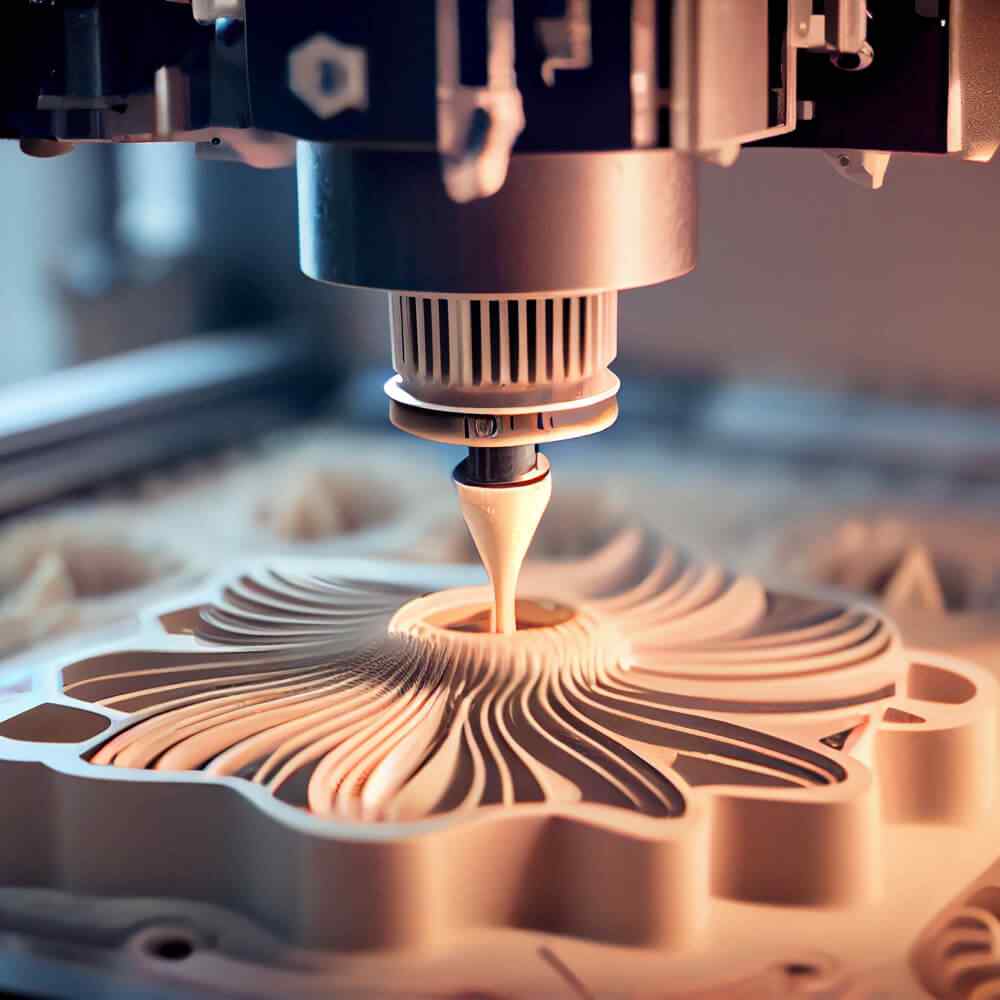

Benefits of a CRM and marketing automation
When done right, CRM automation paired with marketing automation delivers serious results. Here’s what businesses can expect:
- Streamlined workflows: Automated tasks—like follow-ups or lead scoring—free up time for strategy and creativity.
- Better segmentation: The CRM holds all the rich data needed to group your audience based on behaviors, demographics, or past interactions.
- Personalized marketing: Automation allows you to send targeted messages at the right time, increasing relevance and engagement.
- Improved lead management: Leads are automatically nurtured and passed to sales at just the right moment.
- Consistent communication: Whether it’s an email campaign, social media post, or text reminder, your message stays consistent across channels.
The result is a more connected, responsive, and customer-centric marketing approach—something every modern business needs.
Best practices for CRM automation
And the last, and mybe the most important think: Test and optimize!
CRM vs. marketing automation: what’s the difference?
While they work best together, it’s worth clarifying the difference:
- A CRM stores and organizes customer data, manages interactions, and tracks the sales pipeline.
- Marketing automation focuses on delivering timely, personalized messages to nurture leads and keep customers engaged.
Combined, they offer a 360-degree view of the customer—and the power to act on that insight instantly.
Why choose FyloraOur Approach to AI Automation

AI MODEL DEVELOPMENT CSERELNI
At Fylora, we do more than just plug in tools. We help you build a resilient, future-ready tech foundation with automation at its core.
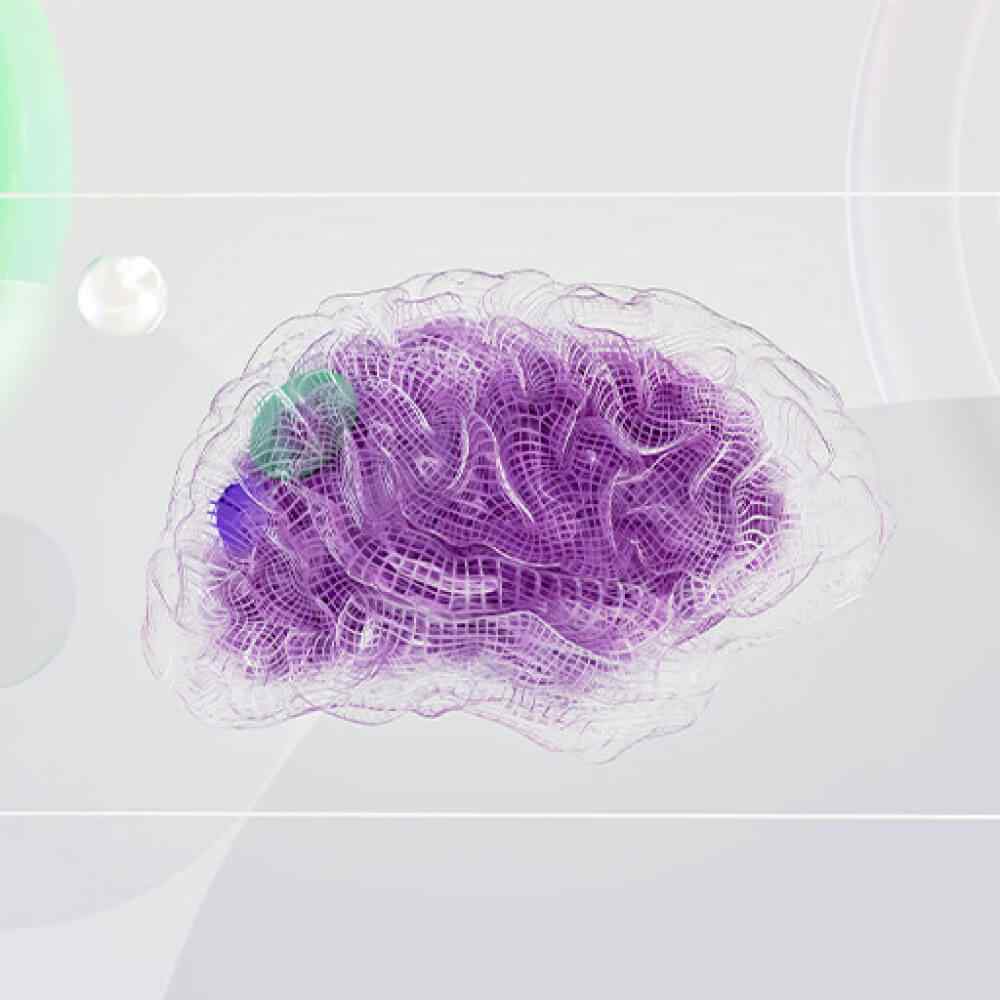
MACHINE LEARNING CSERELNI
A key part of our stack is Make —a powerful visual platform that lets us create advanced workflows without a single line of code. Need to automate Slack messages, Google Sheets updates, or CRM activity? Make connects it all.

PREDICTIVE MAINTENANCE CSERELNI
We blend custom AI capabilities with Make, Zapier, and OpenAI to build workflows that are flexible, intelligent, and easy to maintain. No more rigid software. No more unnecessary complexity. Just automation that works.

Marketing automation examples
Many platforms today offer integrated solutions or CRM automation tools. Here are just a few examples:
- HubSpot: Combines CRM, marketing, and sales in one interface.
- Zoho CRM: Affordable and customizable, with robust automation features.
- Mailchimp: Known for email marketing, now with growing CRM features.
- ActiveCampaign: A strong blend of automation, CRM, and customer experience tools.
These platforms vary in complexity and price, but all share one goal: to simplify your marketing and help you scale.
The future is automated—and personalized
As consumer expectations grow, businesses must deliver faster, more relevant experiences. CRM marketing automation enables just that: combining deep customer knowledge with automated action to drive smarter, faster results.
Whether you’re a small business or an enterprise, the time to adopt CRM automation is now. You’ll not only save time—you’ll unlock growth.
AI automation solutions that actually work – and scale



From AI assistant to generative AI – what comes next




03 — PRICINGPricing Based On The Size Of Your Business